Home / Orthopaedics & Trauma

General orthopaedics and trauma in Elche

Orthopaedics & Trauma

We diagnose and treat injuries of the musculoskeletal system, with clinical evaluation and personalised rehabilitation plans from the first consultation.

Book an appointment

At Clínica J. Sáez we offer an orthopaedics and trauma service in Elche for the diagnosis and treatment of musculoskeletal injuries.

We treat joint pain, inflammation and limitations caused by trauma, sport or overload, with follow-up from the first consultation until you recover. These are the conditions we treat:

Conditions, diagnosis and treatment

Treatment of fractures and hairline fractures

Treatment of fractures and hairline fractures

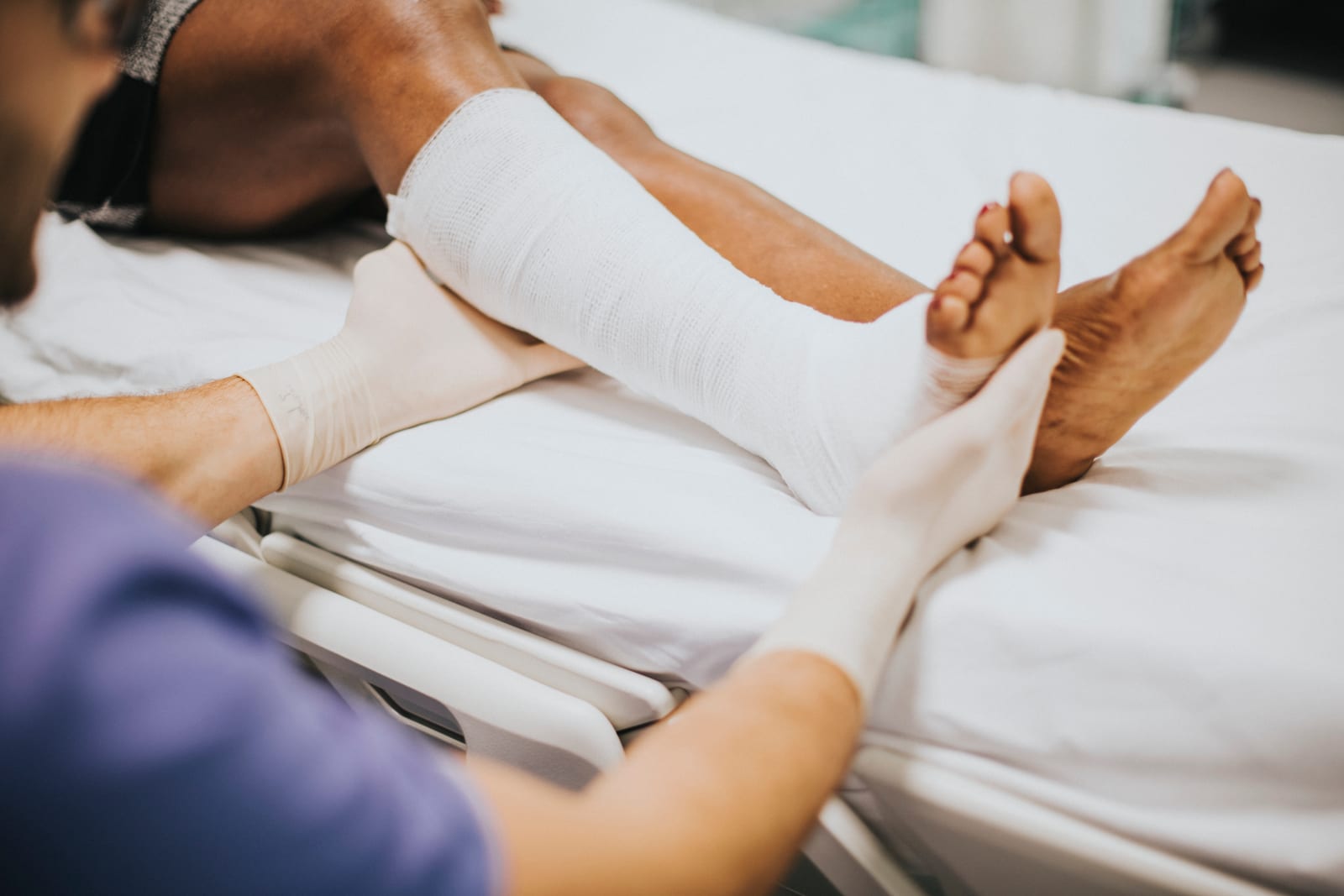
Expert management of bone injuries to the wrist, ankle, collarbone and radius. After confirming the type and extent of the injury with imaging, we recommend the most suitable immobilisation or treatment and monitor bone healing until function is restored.

Ligament injuries and sprains

Ligament injuries and sprains

Functional recovery of joints after twisting injuries or trauma. We assess the stability of the joint and the grade of the injury to choose between functional immobilisation, targeted physiotherapy or other options, with the aim of restoring mobility and reducing the risk of recurrence.

Tendinopathies

Tendinopathies

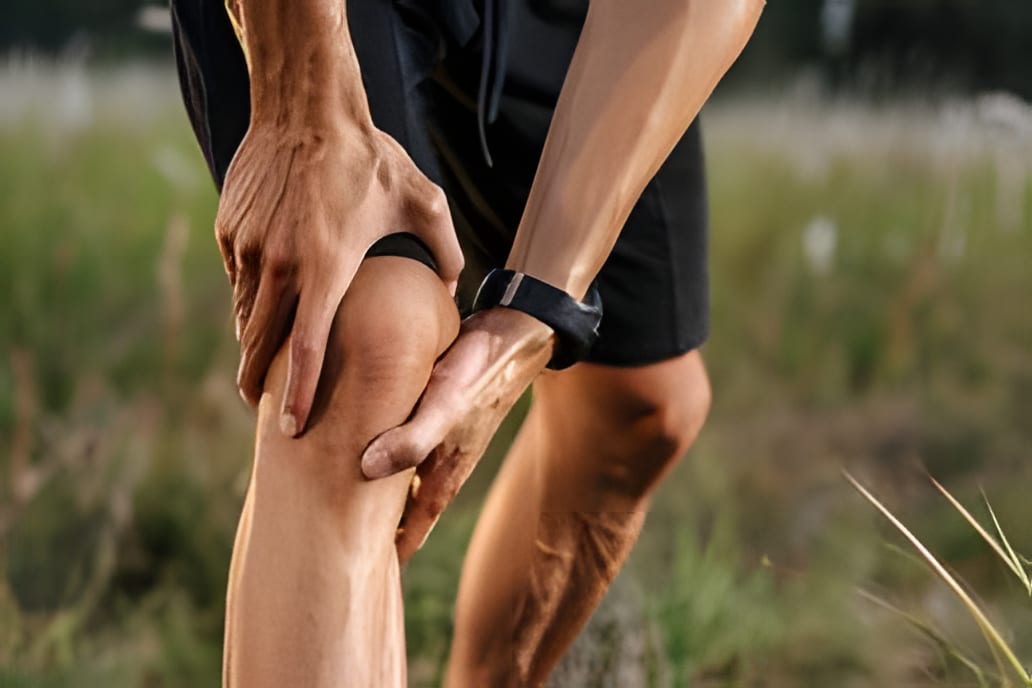
Solutions for patellar and Achilles tendinitis and epicondylitis (tennis elbow). We look for the cause of the tendon overload and plan conservative treatment with therapeutic exercise, anti-inflammatory therapy and loading guidelines to relieve pain and restore function.

Joint conditions

Joint conditions

Diagnosis of pain in the shoulder, hip, knee and foot. Through examination and, where needed, imaging, we identify the cause of the pain or stiffness in order to guide treatment and improve joint mobility.

Dislocation of the shoulder, elbow or knee

Loss of contact between the bones that form the joint, usually after a fall or trauma. We assess the joint and the structures that stabilise it to recommend the immobilisation and rehabilitation needed, with the aim of restoring function and preventing further episodes.

Bursitis

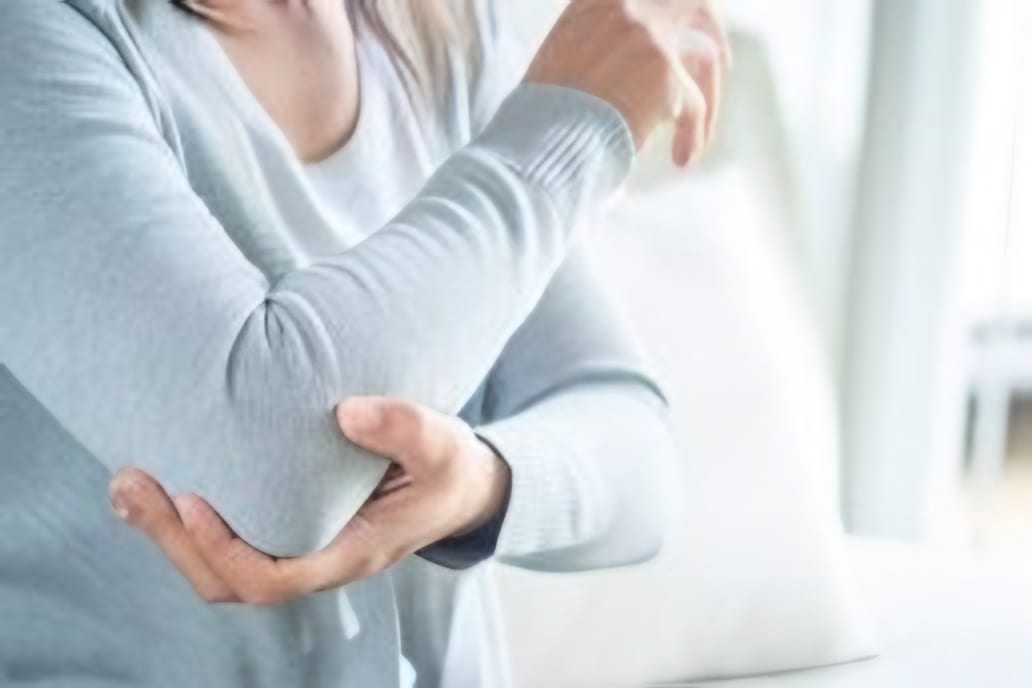
Inflammation of the bursa, the small fluid-filled sac that reduces friction between bones, tendons and muscles. It usually causes pain and swelling in areas such as the shoulder, elbow, hip or knee. We identify the cause and apply conservative treatment to reduce inflammation and relieve pain.

Sports injuries

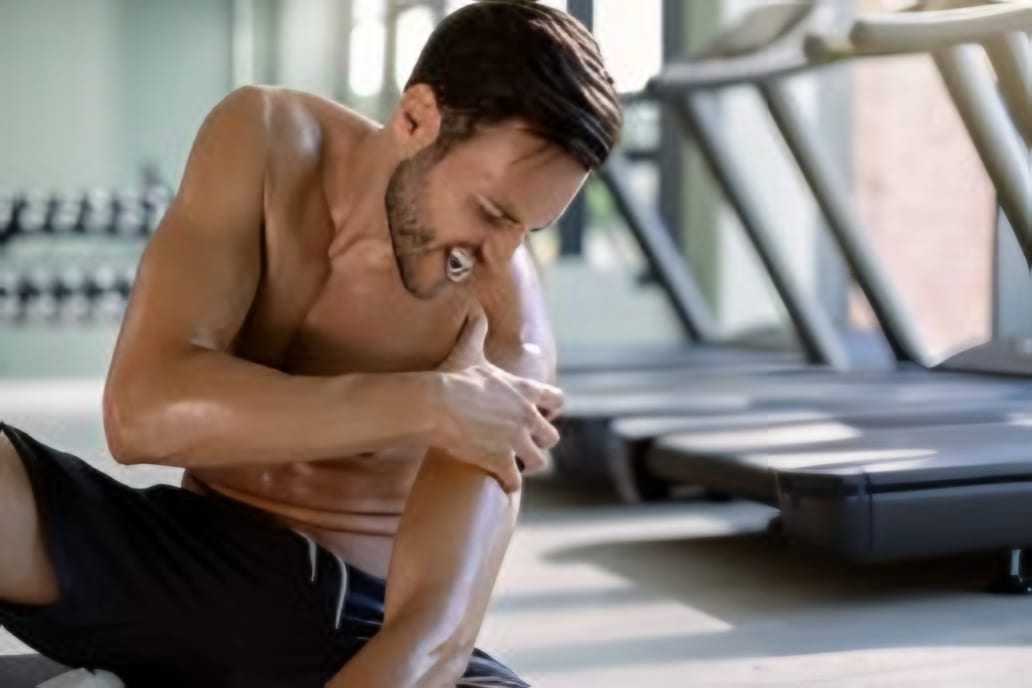
Muscle, tendon and joint injuries arising from sport, whether from trauma or overload. We assess each injury to set out treatment and rehabilitation that allow a gradual, controlled return to activity.

How we work

From diagnosis to recovery

  1. Phase 01

    Clinical diagnosis and treatment methods

    The process begins with an exhaustive physical examination to determine the origin of the limitation or pain. We assess range of motion, joint stability and muscle strength to establish an accurate diagnosis.

  2. Phase 02

    Diagnostic tests and evaluation

    When the clinical assessment requires it, we rely on additional tests such as digital X-ray, musculoskeletal ultrasound or magnetic resonance imaging (MRI). At our orthopaedics and trauma clinic in Elche, these tools are essential for confirming the extent of injuries to soft tissues or complex bone structures.

  3. Phase 03

    Therapeutic approach and rehabilitation

    We prioritise conservative, non-invasive treatment whenever the injury allows it. This includes:

    • Targeted physiotherapy: Therapeutic exercise programmes to restore mobility.
    • Anti-inflammatory therapy: Use of injections and supervised drug treatment.
    • Functional immobilisation: Application of bandages or splints to protect the affected structure.

    If a more complex procedure is required, follow-up is carried out in a coordinated way, guaranteeing that the patient receives consistent, expert care at all times.

Frequently asked questions

The process begins with an exhaustive physical examination to determine the origin of the limitation or pain. We assess range of motion, joint stability and muscle strength to establish an accurate diagnosis.

When the clinical assessment requires it, we rely on additional tests such as digital X-ray, musculoskeletal ultrasound or magnetic resonance imaging (MRI).

We prioritise conservative, non-invasive treatment whenever the injury allows it.

If a more complex procedure is required, follow-up is carried out in a coordinated way, guaranteeing that the patient receives consistent, expert care at all times.

Book an appointment and we'll assess your injury

Tell us what's wrong and we'll look into the origin of your pain or limitation.